Skip to content
Bethesda, MD(301) 200-9025

Regenerative Medicine

Orthobiologics

Natural, minimally invasive regenerative treatments that use your own tissue (platelets, fat, or bone marrow) to promote healing and relieve pain without surgery.

The short answer

Orthobiologics harness your body’s own healing mechanisms to repair tissue, reduce inflammation, and delay or prevent the need for surgery. Dr. Gruner offers platelet-rich plasma (PRP), microfragmented fat (Lipogems), and bone marrow concentrate (BMAC), delivered precisely under ultrasound guidance.
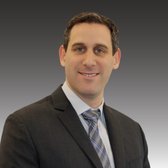
Medically reviewed by Marc Gruner, DO, MBA, RMSK
Sports medicine physician, Mayo Clinic fellowship. Last reviewed June 2026

Dr. Gruner on orthobiologics and regenerative medicine.

How to prepare for your procedure

Following these steps gives your treatment the best chance to work. If anything here conflicts with another physician’s instructions, call the office before changing anything.

  1. 1.

    Stop anti-inflammatories 2 weeks before — and 4 weeks after

    Stop NSAIDs such as ibuprofen, naproxen, and similar anti-inflammatories two weeks before your procedure and for four weeks afterward. Orthobiologics work by triggering your body's own healing response, and anti-inflammatories blunt exactly that process. Do not stop prescribed aspirin, blood thinners, or any other prescription medication without checking with Dr. Gruner or the prescribing physician first.

  2. 2.

    Have physical therapy scheduled

    Make sure physical therapy is lined up before your procedure — rehabilitation is what converts the biology into lasting function. If you have Medicare, we'll get you set up on a remote monitoring platform so your progress is tracked between visits.

  3. 3.

    Complete your outcome measures beforehand

    You'll receive short outcome-measure surveys by email before your visit. Please complete them ahead of time — they establish your baseline so we can objectively measure how much you improve.

  4. 4.

    Arrive 1 hour before your procedure

    Plan to arrive a full hour ahead. That gives us time to check you in, complete the preparation, draw and process your sample, and get you positioned without anything feeling rushed.

  5. 5.

    Bring athletic attire

    Bring workout clothes. You'll spend a short time exercising on a bike before your blood draw — this mobilizes your platelets so we can collect the highest concentration possible for your treatment.

Preparing for your procedure

How should I prepare for my regenerative medicine procedure?
Five things: stop anti-inflammatories (NSAIDs) two weeks before and for four weeks after; have physical therapy scheduled (or, if you have Medicare, we'll enroll you on a remote monitoring platform); complete the outcome-measure surveys emailed to you beforehand; arrive one hour before your procedure; and bring athletic attire, because you'll warm up on a bike before your blood draw to maximize the platelets we can collect.
Do I need to stop anti-inflammatories or NSAIDs before PRP?
Yes. Stop NSAIDs such as ibuprofen and naproxen two weeks before your procedure and for four weeks afterward. PRP and other orthobiologics work by stimulating your body's natural healing and inflammatory repair cascade, and anti-inflammatories suppress that cascade — which can reduce the benefit of the treatment. Do not stop prescribed aspirin, blood thinners, or other prescription medications on your own; ask Dr. Gruner or your prescribing physician first.
Why do I need physical therapy scheduled before my procedure?
An orthobiologic injection improves the biology of the tissue, but rehabilitation is what restores strength and function — the two work together. Having physical therapy scheduled before the procedure means you start rehab at the right time rather than losing weeks. If you have Medicare, we'll get you set up on a remote monitoring platform so your progress is tracked between visits.
What are outcome measures, and why complete them before the procedure?
Outcome measures are short, validated surveys emailed to you before your visit. They capture your baseline pain and function so your improvement can be measured objectively over time rather than by memory. Completing them ahead of your appointment keeps your visit focused on the procedure.
How early should I arrive, and what should I bring?
Arrive one hour before your procedure, and bring athletic attire. The extra time covers check-in, preparation, and processing your sample. The workout clothes are for a short bike warm-up before your blood draw — exercising first mobilizes your platelets so we can concentrate the greatest number of them for your treatment.

Request an appointment

Schedule a comprehensive evaluation to discuss your non-surgical treatment options.