OrthoBethesda
10215 Fernwood Road, Suite 506Bethesda, MD 20817(301) 530-1010
Services
The short answer
Regenerative orthopedic medicine uses your own tissue — concentrated platelets (PRP), bone marrow concentrate (BMAC), or microfragmented fat — to support healing in injured joints and tendons. Dr. Gruner uses only autologous (your own) treatments. Be cautious of clinics marketing amniotic, umbilical cord, or 'stem cell' products: most are not FDA-approved for orthopedic use, and the marketing often outruns the evidence.
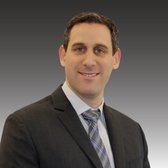
Medically reviewed by Marc Gruner, DO, MBA, RMSK
Sports medicine physician, Mayo Clinic fellowship. Last reviewed June 2026
In orthopedics, regenerative medicine means using your body's own biological material to support repair of an injured joint, tendon, or ligament — rather than surgically removing or replacing tissue. The three options Dr. Gruner uses are platelet-rich plasma (PRP), bone marrow aspirate concentrate (BMAC), and microfragmented adipose (fat) tissue. All three are autologous: they come from you, and go back into you, during the same visit.
Because these treatments work by stimulating a biological response, results build over weeks to months rather than appearing overnight — and they work best when paired with a real rehabilitation plan.
“Stem cell therapy” is one of the most misused phrases in orthopedics. Many clinics advertise injections derived from amniotic tissue, umbilical cord, or placental products, often with dramatic promises. The reality: those products are generally not FDA-approved for orthopedic conditions, frequently contain few or no living cells by the time they are injected, and are not supported by the kind of evidence that would justify the claims or the price.
Dr. Gruner does not offer those products. What he does offer are autologous orthobiologics — your own platelets, marrow, or fat — delivered under ultrasound guidance, with a candid conversation about where the evidence is strong, where it is still emerging, and when surgery or conservative care is genuinely the better answer.
Schedule a comprehensive evaluation to discuss your non-surgical treatment options.