The short answer
Platelet-rich plasma (PRP) therapy concentrates the growth-factor-rich platelets from a sample of your own blood — up to eight times normal levels — and injects them under ultrasound guidance into a damaged joint or tendon to stimulate natural healing. It is an outpatient, non-surgical option for arthritis and tendinopathy that hasn't responded to conservative care.
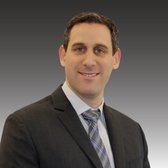
Medically reviewed by Marc Gruner, DO, MBA, RMSK
Sports medicine physician, Mayo Clinic fellowship. Last reviewed June 2026
Platelet-Rich Plasma (PRP) Treatments — Dr. Marc Gruner
How it works
PRP begins with a simple blood draw. The sample is spun in a centrifuge for about 15 minutes to concentrate the platelets, which carry the growth factors involved in healing. Under ultrasound imaging, the concentrated PRP is injected precisely into the damaged area to trigger the body's natural repair response.
Dr. Gruner uses PRP for knee, hip, and shoulder osteoarthritis; tennis and golfer's elbow; rotator cuff, patellar, and Achilles tendinopathy; plantar fasciopathy; and other soft-tissue injuries. Because preparation and precise, ultrasound-guided delivery strongly influence results, patient selection and technique matter.
Why patients choose it
- Uses your own blood — no donor tissue
- Ultrasound-guided for precise delivery
- Outpatient procedure, about one hour
- Supports healing in slow-to-heal tendons and arthritic joints
Watch: PRP
Is PRP the Answer to Chronic Knee Pain? — Dr. Marc Gruner
Treating Tennis Elbow with a Procedure — Dr. Marc Gruner
How to prepare for your procedure
Following these steps gives your treatment the best chance to work. If anything here conflicts with another physician’s instructions, call the office before changing anything.
- 1.
Stop anti-inflammatories 2 weeks before — and 4 weeks after
Stop NSAIDs such as ibuprofen, naproxen, and similar anti-inflammatories two weeks before your procedure and for four weeks afterward. Orthobiologics work by triggering your body's own healing response, and anti-inflammatories blunt exactly that process. Do not stop prescribed aspirin, blood thinners, or any other prescription medication without checking with Dr. Gruner or the prescribing physician first.
- 2.
Have physical therapy scheduled
Make sure physical therapy is lined up before your procedure — rehabilitation is what converts the biology into lasting function. If you have Medicare, we'll get you set up on a remote monitoring platform so your progress is tracked between visits.
- 3.
Complete your outcome measures beforehand
You'll receive short outcome-measure surveys by email before your visit. Please complete them ahead of time — they establish your baseline so we can objectively measure how much you improve.
- 4.
Arrive 1 hour before your procedure
Plan to arrive a full hour ahead. That gives us time to check you in, complete the preparation, draw and process your sample, and get you positioned without anything feeling rushed.
- 5.
Bring athletic attire
Bring workout clothes. You'll spend a short time exercising on a bike before your blood draw — this mobilizes your platelets so we can collect the highest concentration possible for your treatment.
What to expect at your visit
- 1.
A focused conversation
Dr. Gruner reviews your history, prior imaging, and goals — what you want to get back to doing.
- 2.
Point-of-care ultrasound
When useful, a diagnostic musculoskeletal ultrasound evaluates the injury in real time, with no radiation.
- 3.
A clear, individualized plan
You leave understanding the diagnosis, the non-surgical options, and the expected timeline — in plain language.
Before and after your procedure
- How do I prepare before a PRP injection?
- Stop anti-inflammatory medications (NSAIDs like ibuprofen and naproxen) and, when advised, aspirin and blood thinners about 1–2 weeks beforehand, since PRP relies on a healing inflammatory response. Stay well hydrated, eat beforehand, and avoid alcohol the day before. Dr. Gruner will review any medication adjustments with you.
- What should I expect after PRP, and what should I avoid?
- Expect soreness at the injection site for several days — this is the desired healing response, not a complication. Avoid anti-inflammatory medications for about 4 weeks and avoid ice for the first week (both blunt the healing signal). Use acetaminophen (Tylenol) for discomfort if needed, rest the area briefly, and hydrate.
- When can I return to activity after PRP?
- Most patients modify activity for a few days to a couple of weeks depending on the area treated, then gradually resume with guidance. Improvement is gradual over 4–6 weeks as healing progresses. Dr. Gruner gives you an activity timeline specific to your injection.
Rehabilitation protocols
What to expect week by week after your procedure. Your plan is individualized; follow these alongside your physical therapist.
Shoulder — Ultrasound-Guided Lipogems / PRP Protocol
Week 1
Protect, reduce pain and swelling
- Sling for 7 days; begin weaning after day 3
- No lifting > 5 lbs; avoid overhead activity 2 weeks
- Don't sleep on the procedure side
- Begin gentle active ROM (pendulums) 4×/day
Week 2
Begin active range of motion
- No lifting > 10 lbs; avoid overhead activity
- Continue AROM and PROM
- Begin isometrics and thoracic mobility
- Stop any exercise if pain > 4/10
Weeks 3–6
Shoulder strengthening
- May lift 10–20 lbs; avoid eccentrics
- Continue active ROM
- Progressive strengthening
Weeks 6–12
Return to sport
- Activities as tolerated
- Begin eccentric training/loading
- Sport-specific exercises
Do not use NSAIDs (ibuprofen, Aleve, aspirin) for 4 weeks, and avoid ice for the first week — both blunt the healing response. Acetaminophen (Tylenol) is fine for discomfort. Care is tailored to you; use these guidelines with your physical therapist.
Elbow — Ultrasound-Guided Tenotomy / PRP Protocol
Week 0–1
Protect, reduce pain and swelling
- Sling for 3 days; no driving in sling
- May lift up to 5 lbs; rest and elevate
- Begin gentle active ROM 4×/day on day 3
- Optional blood-flow-restriction (BFR) training 2×/week
Weeks 1–2
Restore full range of motion
- May lift up to 10 lbs
- Avoid repetitive elbow/hand activity and sustained gripping
- Regain full ROM 3–5×/day
Weeks 2–4
Begin strengthening
- May lift up to 20 lbs
- Begin isometric wrist/elbow strengthening
- Week 3: add light wrist flexion/extension weight (~2 lbs)
Weeks 4–6
Build strength and function
- Progress isotonic strengthening
- Integrated strengthening (chest press, rows, hammer curls)
- Begin eccentric training
Weeks 6+
Return to sport
- Continue strengthening
- Sport-specific and progressive loading exercises
Do not use NSAIDs (ibuprofen, Aleve, aspirin) for 4 weeks, and avoid ice for the first week — both blunt the healing response. Acetaminophen (Tylenol) is fine for discomfort. Care is tailored to you; use these guidelines with your physical therapist.
Knee & Hip Joint — Ultrasound-Guided PRP / Adipose / BMAC Injection Protocol
Day 1–2
Protect the joint
- Weight-bear as tolerated; crutches as needed
- Keep bandage dry; no submerging for 72 hours
- Gentle ROM as tolerated; monitor wound
Day 3–7
Begin gentle loading
- Avoid excessive joint loading
- Start low-grade closed-chain program
- Light squats/lunges (bodyweight); optional BFR
Day 8–14
Add resistance
- Avoid impact and heavy lifting to the joint
- Light open-chain exercises; add resistance as tolerated
- May begin swimming and low-resistance biking
Day 14–28
Functional progression
- Avoid impact activities
- Progress functional program; light agility and proprioception
- Resume light aerobic activity (walking)
Beyond 28 days
Long-term prevention
- Establish a long-term home exercise program
- Correct biomechanical issues that contributed to the injury
Do not use NSAIDs (ibuprofen, Aleve, aspirin) for 4 weeks, and avoid ice for the first week — both blunt the healing response. Acetaminophen (Tylenol) is fine for discomfort. Care is tailored to you; use these guidelines with your physical therapist.
Knee (Quad / Patellar Tendon) — Ultrasound-Guided PRP / Tenotomy Protocol
Week 0–1
Protect, reduce pain and swelling
- Non-weight-bearing with crutches ~4 days; knee immobilizer 1 week
- Begin gentle active knee ROM
- Gait training with crutches
Weeks 1–2
Restore ROM, progress weight bearing
- Continue knee ROM
- Begin core and lower-limb strengthening
- Upper-body aerobic/strength work; optional BFR
Weeks 2–4
Improve strength and tendon tolerance
- Begin isometric knee strengthening
- Joint mobilizations as needed
- Non-impact aerobic (bike); pool once incision healed
Weeks 4–6
Normalize gait, add balance
- Progress knee strengthening
- Initiate balance/proprioception
Weeks 6–8 (return to play)
Gradual return to sport
- No painful activities; no soreness > 24 hrs; no pain with running
- Gradual return to sport activities
Do not use NSAIDs (ibuprofen, Aleve, aspirin) for 4 weeks, and avoid ice for the first week — both blunt the healing response. Acetaminophen (Tylenol) is fine for discomfort. Care is tailored to you; use these guidelines with your physical therapist.
Hip (Gluteal Tendon) — Ultrasound-Guided Lipogems / PRP Protocol
Week 1
Protect the tendon
- No weight-bearing 4 days, then toe-touch; wean off crutches by end of week 1
- Gentle hip-flexion ROM from day 4, 4×/day
- Optional BFR from day 4
Week 2
Pain-free ROM
- Progress weight-bearing with crutches
- Begin isometrics, straight-leg raises, clamshells
- Core stability; pool once wound healed
Weeks 3–6
Build strength
- Progress hip-abductor strengthening
- May begin stationary bike
Weeks 6–12
Return to sport
- Sport-specific exercises; balance and higher-impact activity
- Soft-tissue work (no foam rolling until week 6)
Do not use NSAIDs (ibuprofen, Aleve, aspirin) for 4 weeks, and avoid ice for the first week — both blunt the healing response. Acetaminophen (Tylenol) is fine for discomfort. Care is tailored to you; use these guidelines with your physical therapist.
Hip (Hamstring Tendon) — Ultrasound-Guided Lipogems / PRP / Tenex Protocol
Week 1
Protect the tendon
- No weight-bearing 4 days, toe-touch with crutches to day 7
- Gentle hip-flexion ROM; use a seat cushion for comfort
Week 2
Range of motion
- Wean off crutches; no eccentric strengthening
- Begin isometrics, straight-leg raises, heel slides
- Core stability; pool once wound healed
Weeks 3–6
Build strength
- No eccentrics yet; progressive strengthening
- Gentle hamstring stretching; knee-flexion and hip-extension strengthening
- Balance exercises
Weeks 6–12
Return to sport
- Activities as tolerated
- Sport-specific exercises
Do not use NSAIDs (ibuprofen, Aleve, aspirin) for 4 weeks, and avoid ice for the first week — both blunt the healing response. Acetaminophen (Tylenol) is fine for discomfort. Care is tailored to you; use these guidelines with your physical therapist.
Foot (Plantar Fascia) — Ultrasound-Guided Tenotomy / PRP Protocol
Week 1
Protect, reduce pain and swelling
- Non-weight-bearing with crutches in a CAM boot
- Avoid stretching into dorsiflexion; rest and elevate
- Gentle active ankle ROM; day 4 begin isometrics (toe crunches)
Week 2
Restore ROM, progress weight bearing
- Partial weight-bearing in CAM boot (pain-limited)
- Core and non-weight-bearing lower-limb strengthening
- Optional BFR
Weeks 2–4
Restore mechanics and tolerance
- Week 3: weight-bear as tolerated in boot, crutches as needed
- Gentle ankle dorsiflexion stretching; isometric ankle strengthening
- Non-impact aerobic exercise
Do not use NSAIDs (ibuprofen, Aleve, aspirin) for 4 weeks, and avoid ice for the first week — both blunt the healing response. Acetaminophen (Tylenol) is fine for discomfort. Care is tailored to you; use these guidelines with your physical therapist.
Achilles Tendon — Ultrasound-Guided Tenotomy / PRP Protocol
Week 0–1
Protect, reduce pain and swelling
- Non-weight-bearing with crutches in a CAM boot
- Gentle active ankle ROM; gait training with crutches
- Optional BFR 0–2 weeks
Weeks 1–2
Restore ROM, minimize atrophy
- Partial weight-bearing in CAM boot (pain-limited)
- Core and non-weight-bearing lower-limb strengthening
- Upper-body aerobic/strength work
Weeks 2–4
Progress weight bearing
- Continue weight-bearing progression
- Restore normal joint mechanics
- Increase tendon tolerance to daily activities
Do not use NSAIDs (ibuprofen, Aleve, aspirin) for 4 weeks, and avoid ice for the first week — both blunt the healing response. Acetaminophen (Tylenol) is fine for discomfort. Care is tailored to you; use these guidelines with your physical therapist.
Clinical evidence
Selected peer-reviewed research supporting these approaches.
- Platelet-Rich Plasma (PRP) for Knee Osteoarthritis: AAOS Technology OverviewAmerican Academy of Orthopaedic Surgeons
- The 2020 NBA Orthobiologics Consensus StatementPubMed Central PMC8114275
- Platelet-Rich Plasma Versus Hyaluronic Acid for Knee Osteoarthritis: A Systematic Review and Meta-analysis of RCTsPubMed 32302218
- Efficacy of platelet-rich plasma for chronic tennis elbow: a double-blind, multicenter RCT of 230 patientsPubMed 23825183
Frequently asked questions
- What should I do before and after a PRP injection?
- Avoid anti-inflammatory medications (NSAIDs, aspirin) and blood thinners for about two weeks before and four weeks after, since PRP relies on a healing inflammatory response. Rest, hydrate, and expect soreness for a few days. Dr. Gruner reviews specific aftercare for the area treated.
- When will I see results from PRP?
- Improvement is gradual as healing progresses — many patients notice benefit within 4–6 weeks, and studies suggest results can last a year or longer for the right candidate.
- Is PRP covered by insurance?
- PRP is often considered elective and may not be covered. The office can review costs with you before any procedure.