The short answer
Achilles tendinopathy is overuse micro-damage to the tendon connecting the calf to the heel — about 80% mid-portion (2–3 cm above the heel) and 20% insertional at the heel bone. It causes pain in the back of the heel to mid-calf, common in runners. Treatment centers on eccentric loading (Alfredson protocol), with PRP, Tenex, or tendon scraping for resistant cases.
Medically reviewed by Marc Gruner, DO, MBA, RMSK
Sports medicine physician, Mayo Clinic fellowship. Last reviewed June 2026
Overview
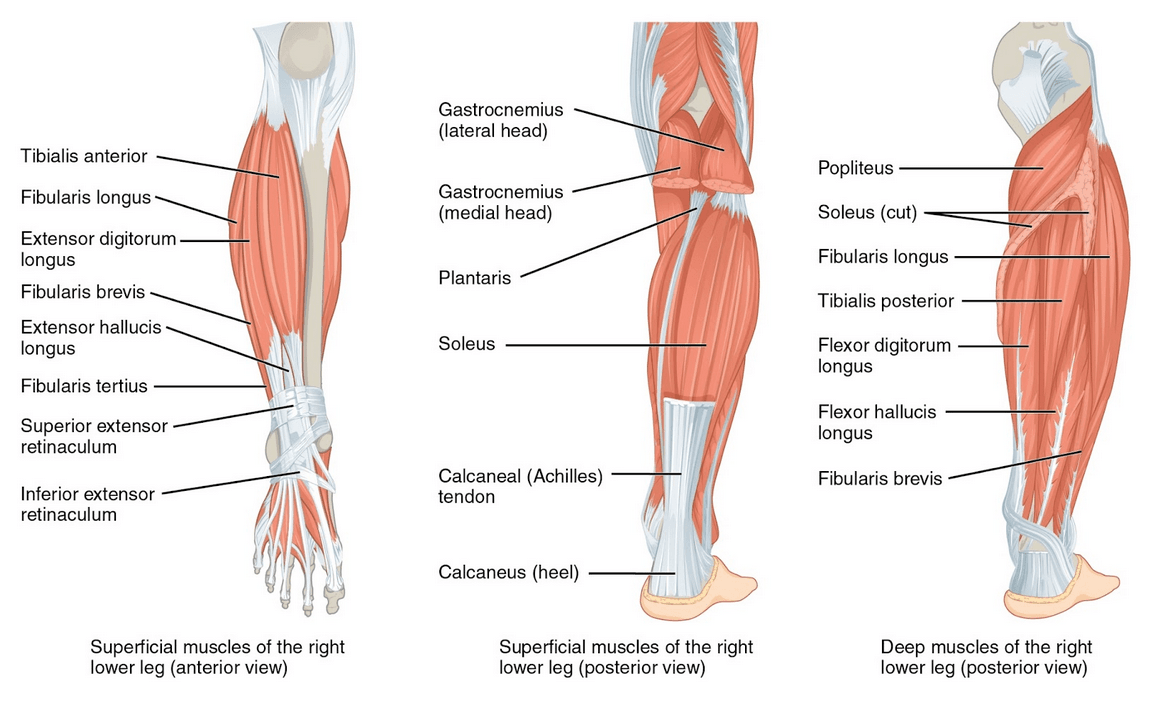
The Achilles tendon connects the calf muscles to the heel bone. About 80% of Achilles pain occurs in the mid-portion, 2–3 cm above the heel, while 20% is insertional at the heel bone. Most injuries come from overstress that causes micro-damage, commonly in runners.
The foundation of treatment is an eccentric or heavy-slow-resistance calf-strengthening program (the Alfredson protocol) over about 12 weeks. For persistent cases, Dr. Gruner offers ultrasound-guided PRP, percutaneous tenotomy (Tenex), or tendon scraping. Cortisone, if used, is placed in the fat pad or bursa — never into the tendon.
Common symptoms
- Pain in the back of the heel
- Pain anywhere from the heel to the mid-calf
- Morning stiffness that eases with movement
What to expect at your visit
- 1.
A focused conversation
Dr. Gruner reviews your history, prior imaging, and goals — what you want to get back to doing.
- 2.
Point-of-care ultrasound
When useful, a diagnostic musculoskeletal ultrasound evaluates the injury in real time, with no radiation.
- 3.
A clear, individualized plan
You leave understanding the diagnosis, the non-surgical options, and the expected timeline — in plain language.
Rehabilitation protocol
What to expect week by week after your procedure. Your plan is individualized; follow these alongside your physical therapist.
Achilles Tendon — Ultrasound-Guided Tenotomy / PRP Protocol
Week 0–1
Protect, reduce pain and swelling
- Non-weight-bearing with crutches in a CAM boot
- Gentle active ankle ROM; gait training with crutches
- Optional BFR 0–2 weeks
Weeks 1–2
Restore ROM, minimize atrophy
- Partial weight-bearing in CAM boot (pain-limited)
- Core and non-weight-bearing lower-limb strengthening
- Upper-body aerobic/strength work
Weeks 2–4
Progress weight bearing
- Continue weight-bearing progression
- Restore normal joint mechanics
- Increase tendon tolerance to daily activities
Do not use NSAIDs (ibuprofen, Aleve, aspirin) for 4 weeks, and avoid ice for the first week — both blunt the healing response. Acetaminophen (Tylenol) is fine for discomfort. Care is tailored to you; use these guidelines with your physical therapist.
Clinical evidence
Selected peer-reviewed research supporting these approaches.
- Safety and Efficacy of Intra-articular Injection of Platelet-Rich Plasma in Patients With Ankle OsteoarthritisPubMed 28399635
- Intra-articular Injections in the Treatment of Symptoms from Ankle Arthritis: A Systematic ReviewPubMed 29909689
- Eccentric exercise is more effective than other exercises in the treatment of mid-portion Achilles tendinopathy: systematic review and meta-analysisPubMed 36698184
- Ultrasound and Doppler-guided mini-surgery to treat midportion Achilles tendinosis: results of a large material and a randomised study comparing two scraping techniquesPubMed 21349878
- Achilles Scraping and Plantaris Tendon Removal Improves Pain and Tendon Structure in Patients with Mid-Portion Achilles Tendinopathy: A 24 Month Follow-Up Case SeriesPubMed 34207436
Frequently asked questions
- What is the best exercise for Achilles tendinopathy?
- Eccentric calf raises (the Alfredson protocol) performed consistently over about 12 weeks are the best-supported treatment. Stubborn cases benefit from PRP, a Tenex procedure, or tendon scraping.