OrthoBethesda
10215 Fernwood Road, Suite 506Bethesda, MD 20817(301) 530-1010
Ankle & Foot Specialist
The short answer
Dr. Gruner treats Achilles tendinopathy and plantar fasciopathy (heel pain) with progressive loading programs, orthotics, and physical therapy — plus ultrasound-guided PRP, Tenex, and tendon scraping for stubborn cases — helping runners and active people get back on their feet without surgery.
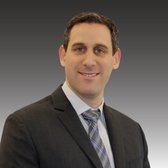
Medically reviewed by Marc Gruner, DO, MBA, RMSK
Sports medicine physician, Mayo Clinic fellowship. Last reviewed June 2026
Foot and ankle pain — most commonly Achilles tendinopathy and plantar fasciopathy — usually comes from overuse and micro-damage rather than simple inflammation, which is why rest alone often isn't enough.
Dr. Gruner combines targeted loading programs, footwear and gait strategies, and physical therapy with ultrasound-guided options such as PRP, percutaneous tenotomy (Tenex), and tendon scraping for chronic cases — getting runners and active people back to their activities.
The foot and ankle carry your entire body weight over thousands of steps a day, so overuse injuries are common — especially in runners and active adults. The two problems Dr. Gruner treats most are Achilles tendinopathy (pain in the back of the heel or lower calf) and plantar fasciopathy (heel pain that's worst with the first steps in the morning). Ankle arthritis, peroneal tendon problems, and nerve issues can also cause foot and ankle pain.
These conditions typically build gradually and are stubborn precisely because they reflect tendon and fascia degeneration rather than short-term inflammation.
Both are overuse injuries: repetitive loading causes micro-damage that outpaces the body's repair, leading to tendon and fascia degeneration. Rapid increases in running mileage, footwear changes, calf tightness, and biomechanics all contribute.
The foundation is a progressive loading program (such as eccentric calf raises for the Achilles) plus footwear, orthotics, and gait strategies. For pain that persists for months, Dr. Gruner offers ultrasound-guided PRP, the Tenex procedure, or tendon scraping — directly addressing the degenerated tissue while preserving the tendon, so you can return to activity faster than with open surgery.
What to expect week by week after your procedure. Your plan is individualized; follow these alongside your physical therapist.
Week 1
Protect, reduce pain and swelling
Week 2
Restore ROM, progress weight bearing
Weeks 2–4
Restore mechanics and tolerance
Do not use NSAIDs (ibuprofen, Aleve, aspirin) for 4 weeks, and avoid ice for the first week — both blunt the healing response. Acetaminophen (Tylenol) is fine for discomfort. Care is tailored to you; use these guidelines with your physical therapist.
Week 0–1
Protect, reduce pain and swelling
Weeks 1–2
Restore ROM, minimize atrophy
Weeks 2–4
Progress weight bearing
Do not use NSAIDs (ibuprofen, Aleve, aspirin) for 4 weeks, and avoid ice for the first week — both blunt the healing response. Acetaminophen (Tylenol) is fine for discomfort. Care is tailored to you; use these guidelines with your physical therapist.
Schedule a comprehensive evaluation to discuss your non-surgical treatment options.