OrthoBethesda
10215 Fernwood Road, Suite 506Bethesda, MD 20817(301) 530-1010
Elbow Specialist
The short answer
Dr. Gruner treats tennis elbow, golfer's elbow, and other elbow tendon problems with activity modification, bracing, physical therapy, and advanced options like ultrasound-guided PRP and the Tenex procedure — helping you return to pain-free gripping and lifting without surgery.
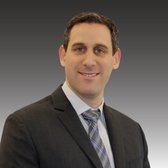
Medically reviewed by Marc Gruner, DO, MBA, RMSK
Sports medicine physician, Mayo Clinic fellowship. Last reviewed June 2026
Elbow pain is often driven by overuse of the tendons that attach at the elbow — the extensor tendon on the outside (tennis elbow) or the flexor tendon on the inside (golfer's elbow). Because these are degenerative tendon injuries rather than simple inflammation, the right treatment restores healthy tendon loading.
Dr. Gruner develops a plan that may include activity modification, a counterforce brace, targeted physical therapy, and — for stubborn cases — ultrasound-guided PRP or percutaneous tenotomy (Tenex) to support tendon healing and get you back to pain-free movement.
Most elbow pain in active adults comes from the tendons that attach around the elbow rather than the joint itself. On the outside of the elbow, the extensor tendon can degenerate from repetitive gripping and wrist extension (tennis elbow); on the inside, the flexor tendon can do the same from wrist flexion (golfer's elbow). Pain typically develops gradually and worsens with gripping, lifting, and repetitive tasks.
Less commonly, elbow pain arises from nerve irritation (cubital tunnel syndrome, causing pinky numbness), the biceps tendon, or ligament injury.
Both are overuse tendon injuries — the tendon accumulates micro-damage faster than the body repairs it, leading to degeneration. Despite the names, they affect far more office workers and tradespeople than athletes: anyone who repeatedly loads the wrist and forearm can develop them.
First-line care is activity modification, a counterforce brace positioned just below the elbow, and a progressive loading program with physical therapy (often including massage and dry needling). When pain persists beyond a few months, Dr. Gruner offers ultrasound-guided PRP to stimulate tendon healing or the Tenex procedure to remove degenerated tissue — both office-based and far less invasive than open surgery.
What to expect week by week after your procedure. Your plan is individualized; follow these alongside your physical therapist.
Week 0–1
Protect, reduce pain and swelling
Weeks 1–2
Restore full range of motion
Weeks 2–4
Begin strengthening
Weeks 4–6
Build strength and function
Weeks 6+
Return to sport
Do not use NSAIDs (ibuprofen, Aleve, aspirin) for 4 weeks, and avoid ice for the first week — both blunt the healing response. Acetaminophen (Tylenol) is fine for discomfort. Care is tailored to you; use these guidelines with your physical therapist.
Schedule a comprehensive evaluation to discuss your non-surgical treatment options.