OrthoBethesda
10215 Fernwood Road, Suite 506Bethesda, MD 20817(301) 530-1010
Shoulder Specialist
The short answer
Dr. Marc Gruner is an orthopedic shoulder specialist treating shoulder arthritis, rotator cuff tears, calcific tendonitis, and frozen shoulder without surgery. Care ranges from physical therapy to ultrasound-guided injections and orthobiologics like PRP and microfragmented fat — restoring shoulder function and relieving pain.
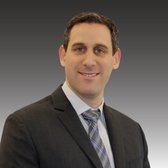
Medically reviewed by Marc Gruner, DO, MBA, RMSK
Sports medicine physician, Mayo Clinic fellowship. Last reviewed June 2026
Shoulder pain becomes more common with age, affecting the joint between the upper arm bone (humerus) and shoulder blade (scapula), as well as the rotator cuff tendons that stabilize it. Dr. Gruner combines a careful exam with point-of-care ultrasound to pinpoint the exact source of pain.
From physical therapy and precise, image-guided injections to advanced regenerative options such as Platelet-Rich Plasma (PRP) and microfragmented fat, Dr. Gruner offers comprehensive, non-surgical solutions to relieve pain and improve function — reserving surgery for when it's truly needed.
The shoulder is the most mobile joint in the body, which also makes it one of the most vulnerable. Shoulder pain can come from the ball-and-socket joint itself (arthritis), the four rotator cuff tendons that stabilize and lift the arm, the bursa that cushions those tendons, or the capsule surrounding the joint. Because so many structures sit in a small space, an accurate diagnosis is essential to effective treatment.
Pain may be felt deep in the joint, over the top or front of the shoulder, or radiating down the arm. It's often worse with overhead activity, reaching behind the back, or lying on that side at night.
Common causes include rotator cuff tendinopathy and tears (from overuse or a fall), shoulder arthritis (age-related cartilage loss), calcific tendonitis (calcium deposits in the cuff), and frozen shoulder (adhesive capsulitis). Impingement, bursitis, and labral injuries can also contribute.
Dr. Gruner uses a focused exam and diagnostic ultrasound — which shows tendons moving in real time — to identify the exact problem, often avoiding the need for MRI. Most shoulder pain improves without surgery: targeted rotator cuff physical therapy, judicious cortisone injections, and ultrasound-guided orthobiologics (PRP for select partial tears, microfragmented fat for arthritis) form the foundation, with surgical referral reserved for large full-thickness tears or advanced arthritis.
What to expect week by week after your procedure. Your plan is individualized; follow these alongside your physical therapist.
Week 1
Protect, reduce pain and swelling
Week 2
Begin active range of motion
Weeks 3–6
Shoulder strengthening
Weeks 6–12
Return to sport
Do not use NSAIDs (ibuprofen, Aleve, aspirin) for 4 weeks, and avoid ice for the first week — both blunt the healing response. Acetaminophen (Tylenol) is fine for discomfort. Care is tailored to you; use these guidelines with your physical therapist.
Schedule a comprehensive evaluation to discuss your non-surgical treatment options.