OrthoBethesda
10215 Fernwood Road, Suite 506Bethesda, MD 20817(301) 530-1010
Knee Specialist
The short answer
Dr. Gruner is a knee specialist offering a comprehensive, non-surgical approach to knee arthritis, patellar and quadriceps tendinopathy, and more. From physical therapy and innovative injections (PRP, microfragmented fat, viscosupplementation) to procedures like Tenex and tendon scraping, he builds a personalized plan to reduce pain and restore mobility.
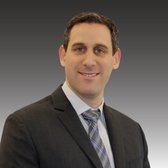
Medically reviewed by Marc Gruner, DO, MBA, RMSK
Sports medicine physician, Mayo Clinic fellowship. Last reviewed June 2026
If you're experiencing knee pain or arthritis, Dr. Gruner offers comprehensive diagnosis and treatment. Knee arthritis develops as the cartilage between the thigh bone and shin bone wears down, while tendon problems around the kneecap come from overuse.
From non-invasive options like physical therapy and innovative injections (PRP, microfragmented fat, gel/viscosupplementation) to minimally invasive procedures such as Tenex and tendon scraping, Dr. Gruner creates a personalized plan to help you regain mobility and reduce pain — delaying or avoiding knee replacement.
The knee absorbs enormous forces with every step, so it's one of the most common sources of orthopedic pain. Pain can come from the joint surface (arthritis), the tendons around the kneecap (patellar and quadriceps tendinopathy), the meniscus cartilage, or the ligaments. The location often hints at the cause — pain on the inside or outside of the joint suggests arthritis or meniscus, while pain right at or below the kneecap suggests a tendon problem.
Knee pain may be accompanied by swelling, stiffness, grinding, or a sense of instability, and it frequently worsens with stairs, squatting, and prolonged activity.
Knee osteoarthritis results from cartilage wear related to prior trauma, the shape of the knee, meniscus injury, and aging. Patellar tendinopathy (jumper's knee) and quadriceps tendinopathy come from overuse. Runners commonly develop patellofemoral pain, IT band syndrome, and meniscus irritation.
For arthritis, Dr. Gruner combines activity and weight strategies, physical therapy, and injections — from cortisone and gel (viscosupplementation) to orthobiologics like PRP and microfragmented fat — to reduce pain and delay or avoid knee replacement. For tendon problems, progressive loading is the foundation, with ultrasound-guided PRP, Tenex, or tendon scraping for stubborn cases.
What to expect week by week after your procedure. Your plan is individualized; follow these alongside your physical therapist.
Week 0–1
Protect, reduce pain and swelling
Weeks 1–2
Restore ROM, progress weight bearing
Weeks 2–4
Improve strength and tendon tolerance
Weeks 4–6
Normalize gait, add balance
Weeks 6–8 (return to play)
Gradual return to sport
Do not use NSAIDs (ibuprofen, Aleve, aspirin) for 4 weeks, and avoid ice for the first week — both blunt the healing response. Acetaminophen (Tylenol) is fine for discomfort. Care is tailored to you; use these guidelines with your physical therapist.
Day 1–2
Protect the joint
Day 3–7
Begin gentle loading
Day 8–14
Add resistance
Day 14–28
Functional progression
Beyond 28 days
Long-term prevention
Do not use NSAIDs (ibuprofen, Aleve, aspirin) for 4 weeks, and avoid ice for the first week — both blunt the healing response. Acetaminophen (Tylenol) is fine for discomfort. Care is tailored to you; use these guidelines with your physical therapist.
Schedule a comprehensive evaluation to discuss your non-surgical treatment options.