The short answer
Patellar tendinopathy (jumper's knee) is overuse injury and micro-damage to the tendon connecting the kneecap to the shin, causing pain below the kneecap with squatting, stairs, and jumping. It is a tendon injury, not simple inflammation, so treatment emphasizes activity modification, bracing, physical therapy, and — for stubborn cases — PRP, Tenex, or tendon scraping.

Medically reviewed by Marc Gruner, DO, MBA, RMSK
Sports medicine physician, Mayo Clinic fellowship. Last reviewed June 2026
Overview
The patellar tendon connects the kneecap (patella) to the shin bone and helps you jump and absorb landings. Patellar tendinopathy results from overuse and micro-damage from excessive stress. Modern understanding treats it as a tendon injury rather than inflammation, which is why anti-inflammatory-only approaches often disappoint.
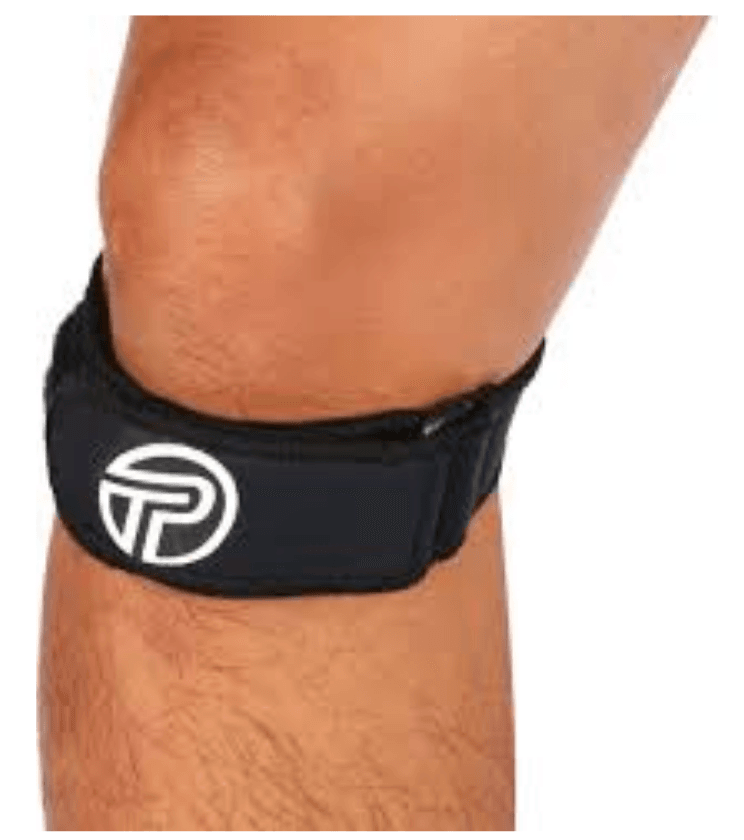
Dr. Gruner emphasizes activity and mechanics modification, a Chopat-style strap, and a progressive loading program. For persistent cases he offers ultrasound-guided PRP, percutaneous tenotomy (Tenex), or tendon scraping — reserving surgery as a last resort. Cortisone, when used, is placed only in the fat pad or bursa, never into the tendon.
Common symptoms
- Pain and tenderness just below the kneecap
- Pain when holding the leg straight
- Pain during squatting
- Pain going down stairs
What to expect at your visit
- 1.
A focused conversation
Dr. Gruner reviews your history, prior imaging, and goals — what you want to get back to doing.
- 2.
Point-of-care ultrasound
When useful, a diagnostic musculoskeletal ultrasound evaluates the injury in real time, with no radiation.
- 3.
A clear, individualized plan
You leave understanding the diagnosis, the non-surgical options, and the expected timeline — in plain language.
Rehabilitation protocol
What to expect week by week after your procedure. Your plan is individualized; follow these alongside your physical therapist.
Knee (Quad / Patellar Tendon) — Ultrasound-Guided PRP / Tenotomy Protocol
Week 0–1
Protect, reduce pain and swelling
- Non-weight-bearing with crutches ~4 days; knee immobilizer 1 week
- Begin gentle active knee ROM
- Gait training with crutches
Weeks 1–2
Restore ROM, progress weight bearing
- Continue knee ROM
- Begin core and lower-limb strengthening
- Upper-body aerobic/strength work; optional BFR
Weeks 2–4
Improve strength and tendon tolerance
- Begin isometric knee strengthening
- Joint mobilizations as needed
- Non-impact aerobic (bike); pool once incision healed
Weeks 4–6
Normalize gait, add balance
- Progress knee strengthening
- Initiate balance/proprioception
Weeks 6–8 (return to play)
Gradual return to sport
- No painful activities; no soreness > 24 hrs; no pain with running
- Gradual return to sport activities
Do not use NSAIDs (ibuprofen, Aleve, aspirin) for 4 weeks, and avoid ice for the first week — both blunt the healing response. Acetaminophen (Tylenol) is fine for discomfort. Care is tailored to you; use these guidelines with your physical therapist.
Frequently asked questions
- Why won't my jumper's knee heal with rest alone?
- Patellar tendinopathy reflects tendon degeneration, not simple inflammation, so rest alone rarely resolves it. Progressive loading is essential, and stubborn cases benefit from PRP, Tenex, or tendon scraping.